
Skanska Bostad – Reframing the Housing Search Experience
Designing a guided housing experience focused on everyday life, long-term clarity, and decision confidence.
UX Research · Behavioural Analysis · Information Architecture · Wireframing & Prototyping · UX Strategy

Context
This project explored how users experience the housing search journey on Skanska Bostad, with a particular focus on how people evaluate homes during major life transitions.
Through interviews, behavioural observation, competitor analysis, and prototype testing, the project investigated where users feel overwhelmed, unsupported, or uncertain during the decision-making process.
The research revealed a recurring mismatch between how people actually make housing decisions and how housing platforms typically present homes.
Users were not only comparing square meters and pricing. They were trying to understand what everyday life would realistically feel like after the move.
The project resulted in a concept called Everyday Fit – a guided housing experience designed to help users compare homes around practical lifestyle needs, long-term realities, and future living priorities rather than specifications alone.
[Insert supporting image: research board, prototype overview, or presentation slide]
Process
User Research & Behavioural Observation
The project began with qualitative interviews and observational analysis focused on how people currently search for homes online.
Research explored:
- housing search behaviour
- emotional and practical decision-making
- trust and transparency
- information overload
- lifestyle evaluation
- long-term financial considerations
Participants consistently described current housing platforms as difficult to interpret, overly polished, and heavily dependent on the user doing the comparison work themselves.
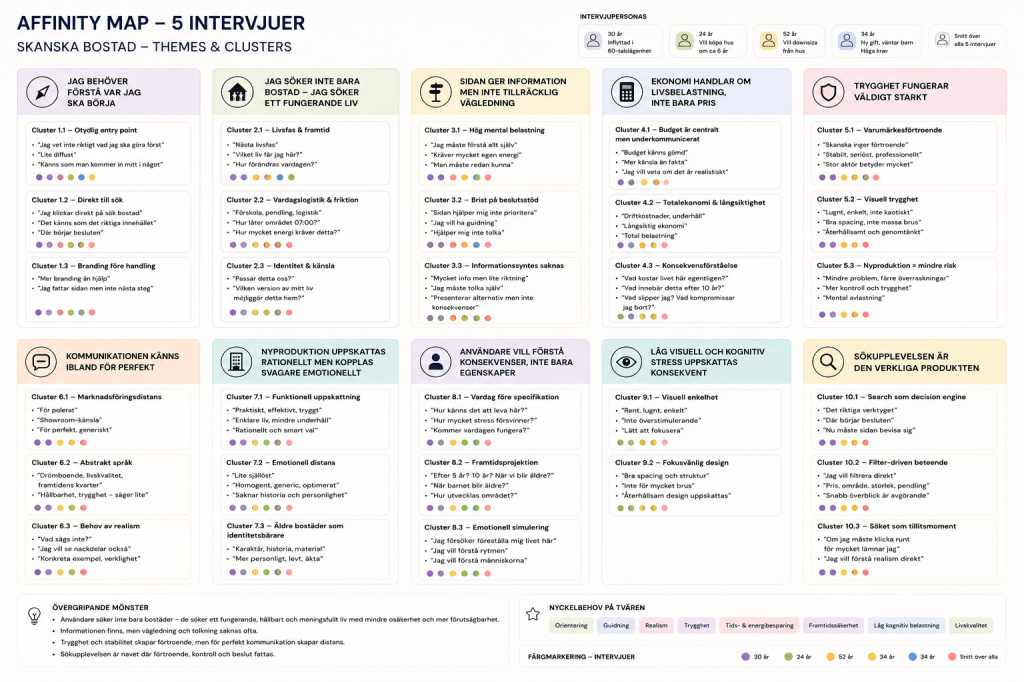
Users described housing search as mentally demanding and difficult to translate into real-life consequences.
Pattern Identification & Insight Synthesis
Interview findings and behavioural observations were clustered into recurring themes to identify broader experience-level patterns.
Several key insights emerged repeatedly:
- users lacked guidance rather than information
- practical realities felt under-communicated
- listings focused heavily on specifications
- users wanted help understanding long-term life consequences
- trust increased when communication felt realistic rather than aspirational
The strongest recurring pattern was that users were evaluating future lifestyle and daily routines, while platforms primarily presented properties as products.
Defining the Design Opportunity
The project reframed the housing search experience from a listing-first model into a guidance-oriented decision support experience.
Rather than asking:
“What property do you want?”
The concept explored:
“What kind of everyday life are you trying to create?”
This became the foundation for the design direction and prototype concept.
Insight
Users Needed Help Interpreting Life Consequences – Not Just Comparing Listings
Research Findings
“You get information, but not guidance.”
“I can compare prices and sizes, but not what life will actually be like there.”
“You have to understand everything yourself.”
Users were not lacking housing information.
They were lacking orientation, interpretation, and practical decision support.
Many participants described housing decisions as emotionally and mentally demanding because current platforms rarely help users connect listings to long-term lifestyle realities.
Design direction
Design Direction
The concept focused on:
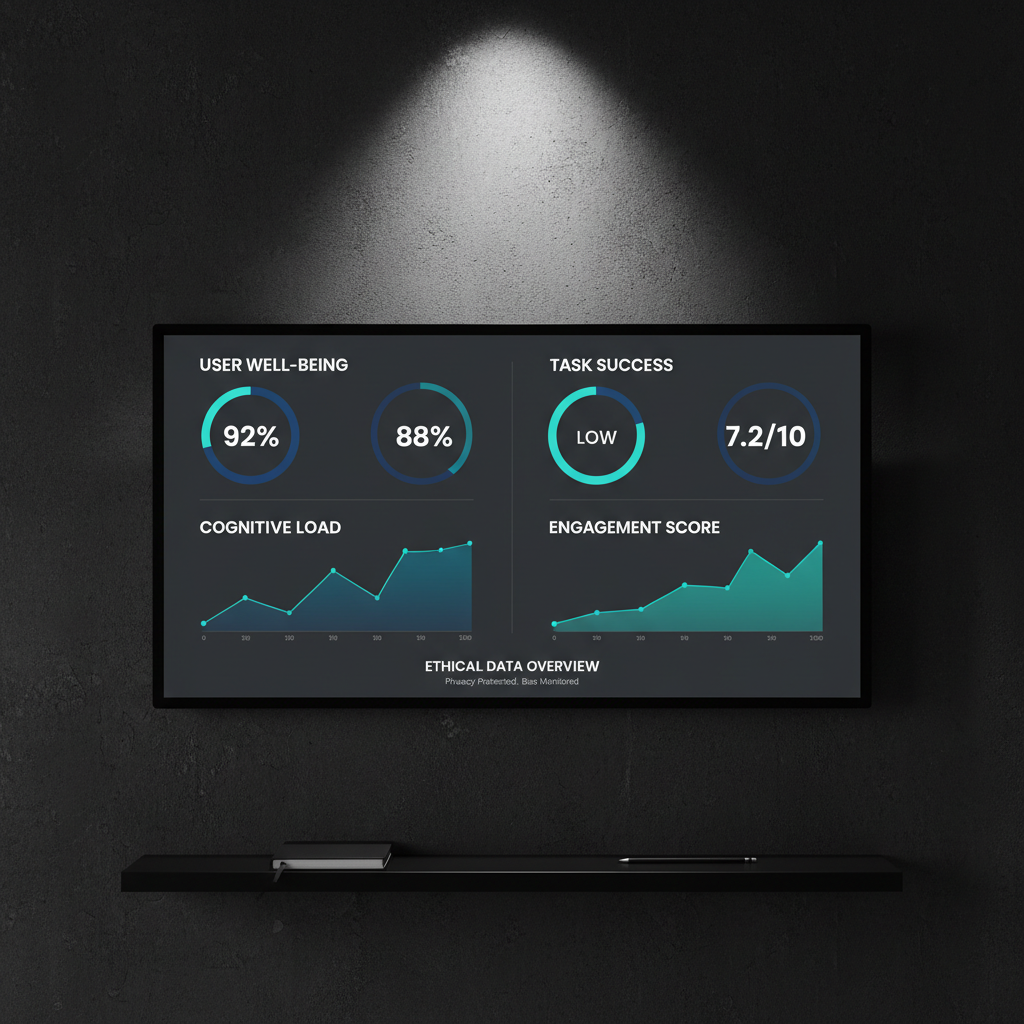
- reducing cognitive overload
- increasing transparency
- introducing guided prioritisation
- helping users evaluate practical everyday fit
- reframing housing search around life context rather than only specifications
[Insert supporting diagram: traditional housing search vs guided housing discovery]
Concept Development
Everyday Fit
Everyday Fit is a guided housing experience designed to help users evaluate homes around real-life priorities and long-term practical realities.
Instead of filtering only by:
- price
- rooms
- square meters
the system introduces additional decision-support layers such as:
- running costs
- maintenance expectations
- neighbourhood context
- practical convenience
- lifestyle priorities
- long-term effort required
The concept was intentionally designed to feel calm, realistic, and trustworthy rather than overly personalised or sales-driven.
[Insert concept diagram or prototype overview]
Caption example:
The concept reframes housing search from specification browsing into guided life-fit comparison.
Wireframes & UX Direction
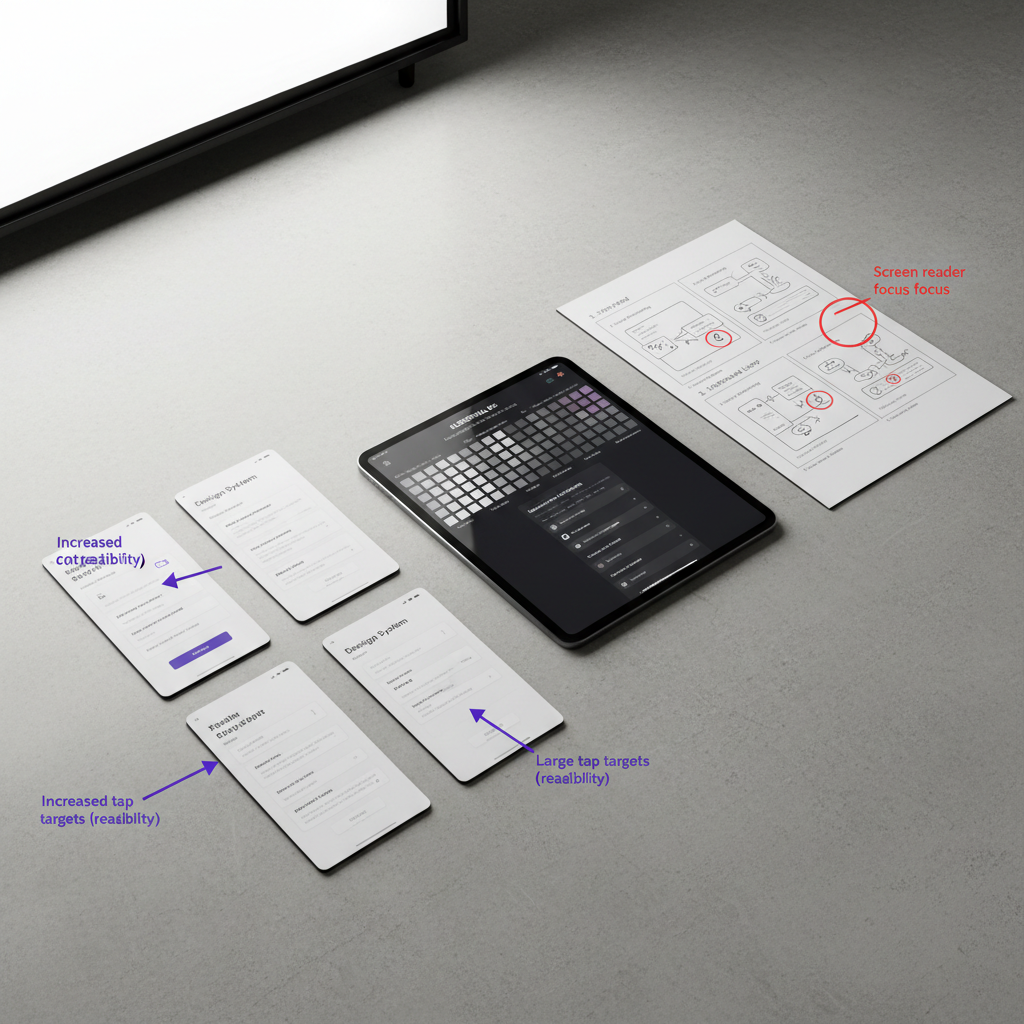
Low-fidelity wireframes were developed to test the structure and clarity of the guided experience.
The wireframes focused on:
- reducing visual overload
- progressive information disclosure
- guided prioritisation
- comparison clarity
- mobile-first usability
- realistic presentation of housing consequences
The interface intentionally avoided high-pressure real estate aesthetics in favour of a calmer and more grounded visual tone.
[Insert wireframes]
Caption example:
Wireframes focused on orientation, trust, and reduced cognitive load.
Design Decisions
1
Orientation Before Exploration
The experience was designed to reduce uncertainty before presenting listings.
Rather than immediately overwhelming users with properties, the system first establishes context, priorities, and practical needs.
2
Practical Transparency
The concept introduced clearer explanations around:
- running costs
- maintenance responsibility
- neighbourhood realities
- accessibility and convenience
- long-term living consequences
This strengthened realism and trust throughout the browsing experience.
3
Guided Prioritisation
Instead of offering endless filtering combinations, the system focused on lightweight prioritisation.
The goal was not hyper-personalisation, but helping users think more clearly about trade-offs and everyday life.
4
Lifestyle Context & Neighbourhood Experience
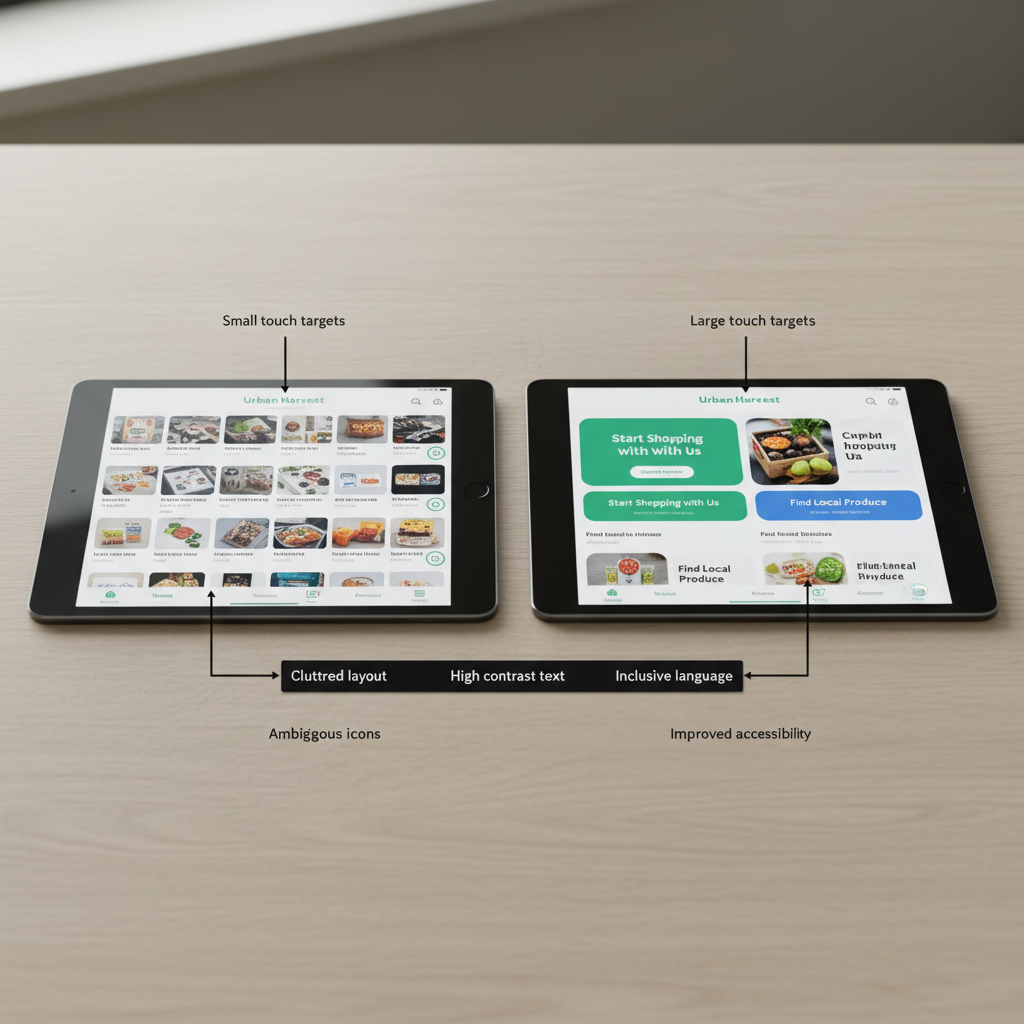
To help users understand life beyond the property itself, the concept introduced a Lifestyle Preview feature.
Users can explore neighbourhood atmosphere, local services, public transport, schools, commuting, and everyday convenience through interactive maps, resident stories, and a Take a Tour video section.
The goal is to help users evaluate not just a home, but the life that comes with it.
- resident stories and lifestyle testimonials
- neighbourhood overviews
- interactive maps
- local amenities and services
- public transport accessibility
- commuting context
- nearby schools and activities
- social atmosphere and community indicators
Solution
The final concept reframes housing search as a guided and confidence-building decision experience.
By combining behavioural insight, user research, and practical transparency, the project explored how housing platforms can support users beyond traditional specification browsing.
The resulting experience focused on helping people understand how a home fits into everyday life – emotionally, practically, and financially.
[Insert final prototype screens]
Caption example:
Everyday Fit designed around clarity, realism, and reduced decision friction.
Reflection
This project reinforced how deeply human housing decisions are.
While most property platforms optimise around listings and specifications, users were often thinking in terms of stress, routines, lifestyle changes, and future consequences.
The research showed that people rarely struggle because of lack of information alone. More often, they struggle because they are left to interpret complex decisions entirely by themselves.
The project also highlighted the importance of restraint in UX design. Rather than building a heavily personalised or overly technical system, the strongest direction became creating a calmer and more transparent experience that supports clearer thinking.
More broadly, the project strengthened my understanding of how UX can function not only as interface design, but as practical decision support during high-stakes life choices.
 KATZE DESIGNS